Double Glazing
Double-glazing can reduce heat loss through windows by up to 50%. 20mm is the optimum space between the 2 panes of glass; less than this leads to increased heat loss; more than this makes little difference to the level of thermal insulation but does give improved sound insulation. Triple glazing will give better insulation again.
For even better energy saving use low emissivity glass (Low-E). This is a microscopically thin-coating on one surface of the glass forming the inner pane of a double glazing unit. The coating faces the cavity and reflects longer wavelength heat from radiators and room surfaces back into the building, whilst allowing warming short wavelength solar energy in. The incoming short wavelengths of solar energy are re-radiated by internal building surfaces as longer wavelengths which are then reflected by the coating back into the room. Double glazing using Low-E glass gives energy conservation properties equivalent to normal triple glazing, without the 50% increase in weight. Low-E looks identical to ordinary clear glass and the coating is almost invisible. Its effect on light transmission and reflection is hardly noticeable. It can be used everywhere from the largest office block application to domestic conservatories, windows and doors and whilst designed for double glazing it can also be used as the inner pane in secondary glazing.
Advantages of Low E coating:
 Improved insulation Improved insulation
Reduced heating bills
Reduced carbon dioxide emissions into the atmosphere
Reduced condensation
Reduced cold spots and down draughts
Uses the sun's heat
Durable
Available on laminated, toughened and ordinary glass
Argon gas can be enclosed between the double glazed units instead of air. using argon gas you can achieve even greater savings and the U value is reduced by over 30%. Argon is an inert gas, which has better thermal properties than dry air. It enables you to sit closer to the window where it feels less cold because double glazing with Low-E has a higher internal surface temperature than conventional double or single glazing. Condensation reduction means frames and surrounding surfaces will need less maintenance. Not all double glazing manufacturers are able to offer double glazing with argon gas filling. Contact the GGF below for details of those that can.
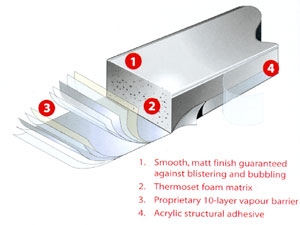
Foam Super Spacer warm edge technology can be used to separate the panes of glass in double glazing. this is far superior to aluminum spacers as they conduct less heat and cold than conventional metal spacers at the edge of the glass. It blocks the heat escape path and produces one of the best thermal performances in the industry. This would also give up to 18% improved sound reduction over traditional spacers. Super Spacer is available in a range of widths and a variety of colours, e.g. grey, gold, black and white.
Average U values:
The U value of single glazing is 5.4
The U value of double glazing is 2.6
The U value of double glazing with Low-E coating is 1.8
If argon gas is used to fill the air gap in double glazing, the U value will reduce to 1.6
large area glazing will have better U values than small (georgian) type glazing due to the reduction in edge glazing bars. Superseal rubber glazing bars will reduce the edge losses significantly.
The Glass and Glazing Federation (GGF), is the trade association for the glass and glazing industry. GGF Members can be found throughout the UK. www.ggf.org.uk |


